A broken model: African thinkers denounce exclusionary conservation
Exclusion is not only about pushing people out of protected areas, but also about ignoring traditional knowledge and failing to bring local communities on board with conservation initiatives.
In a recent article in The Citizen, Jacob Mosenda reports on the International Symposium on African Voices on Conservation, held in late March 2026 at the University of Dar es Salaam, Tanzania.
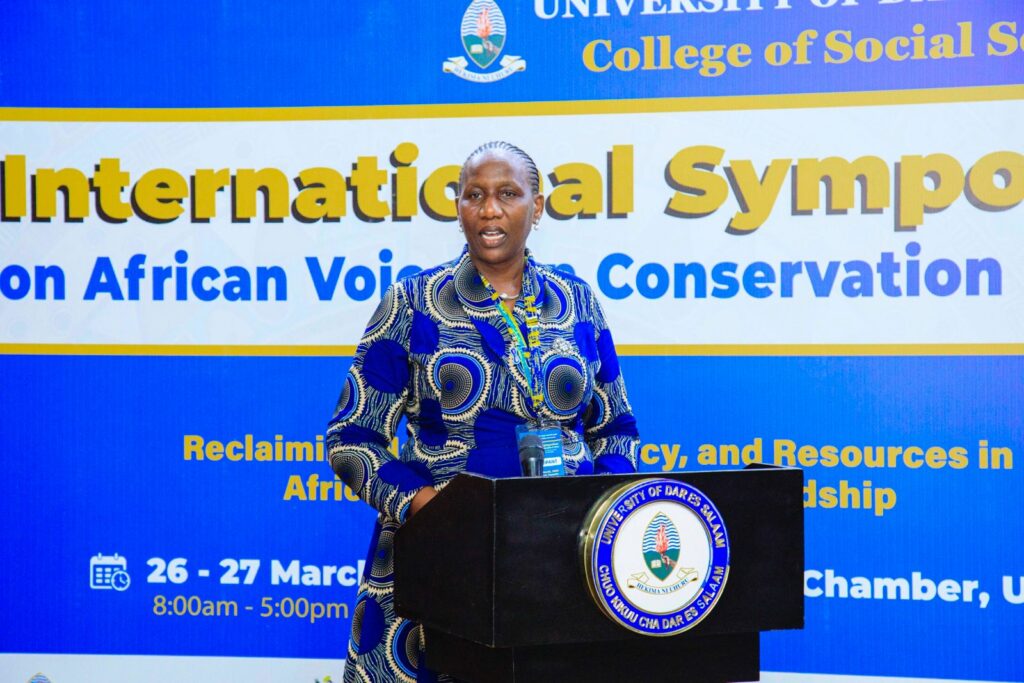
The dialogue between speakers and the audience pointed to the risks of the model commonly known as “fortress conservation”, designed to protect “nature” — here understood as the environment without the people who inhabit it — by pushing people out of their homelands. This model is inherently problematic because it overlooks what nature actually is on the African continent (and elsewhere on the planet): a myriad of complex social-ecological systems that encompass not only human communities but also their traditional knowledge and practices.
Without African voices, as Renancy Remmy points out in an article published by the University of Dar es Salaam, conservation cannot truly succeed. It will fail — and, beyond that, development can be hindered, and the sovereignty of African nations undermined — when conservation and research models imported from the West are adopted without dialogue with African communities and their traditional knowledge.
Article on The Citizen:
https://www.thecitizen.co.tz/tanzania/news/national/scholars-fault-global-conservation-model-5407426
Article on the University of Dar es Salaam’s website: