Format
The plenaries follow a slightly different format. One speaker will offer a slightly longer (but still short) talk on their topic. Then others will follow with much shorter interventions, designed to bring out different and / or complimentary aspects of the issue in hand. Our purpose is to provoke comment, thought and questions from the audience and we hope to have at least an hour for discussion as part of each plenary. In a sense the main speaker is the audience and the purpose of this format is to bring out its contributions.
You will probably notice that despite our theme, none of our speakers is talking directly about affairs in the US. This is partly because the regime there thrives on attention and we did not want to provide that. It is also because authoritarianism is on the rise generally, and we need to understand it in its diverse forms. There is unfortunately plenty to talk about even without the US. But several of our speakers work in the US, and we expect and hope that audience questions will cover developments there.
Plenary Abstracts
Understanding and Analysing Authoritarianism: Tuesday 30 June, 11:00 – 13:00 at Hotel Exe Campus, Universitat Autònoma de Barcelona
Farhana Sultana (15 mins)
Title: Authoritarianism Beyond the Regime: Environmental Publics, Capitalist Accumulation, and Structural Persistence
This intervention argues that authoritarianism cannot be understood apart from the capitalist development model it serves, and that environmental publics, the heterogeneous formations constituted through shared exposure to ecological harm, offer a diagnostic lens for understanding this fusion. I draw on cases from Bangladesh, where a student-led mass uprising overthrew a fifteen-year authoritarian regime in 2024, to examine how the accumulation model produced ecological distribution conflicts, suppressed the publics that contested them through state-corporate violence and security legislation, and depoliticized environmental claims through development governance and techno-politics. The revolution toppled the regime, yet the structural conditions that enabled authoritarian governance, crony capitalism, the security apparatus, the entrenched development model, persist beyond it. The Bangladesh case demonstrates that authoritarianism, read through the formation and suppression of environmental publics, operates as a structural condition that can outlast any single regime, even those toppled by revolution.

Farhana Sultana is Professor of Geography and the Environment at Syracuse University’s Maxwell School of Citizenship and Public Affairs and Research Director (Environment) in the Program for the Advancement of Research on Conflict and Collaboration. Farhana is an internationally recognized interdisciplinary scholar of climate justice, water governance, political ecology, development geography, and decolonizing knowledge. Author of over 100 publications, her books include Confronting Climate Coloniality (2025), Water Politics (2020), and The Right to Water (2012). She holds a degree in Geosciences and Environmental Studies from Princeton University and a PhD in Geography from the University of Minnesota, where she was a MacArthur Fellow. Prior to academia, she managed a $26 million environmental program for the United Nations Development Programme (UNDP) in Bangladesh. She is a Visiting Faculty Fellow at International Centre for Climate Change and Development (ICCCAD) in Bangladesh.
Murat Arsel (5 mins)
Title: Authoritarianism and heterodox economic thought
Contemporary authoritarian leaders have long been able to distance themselves from the problems created by neoliberal globalisation. They were also able to position themselves in the eyes of the electorate as being best placed to implement painful but putatively inescapable policies that would ultimately deliver growth and prosperity. After two decades of false promises, we can now see a surprising turn in the policies they advocate. They are now appropriating proposals that used to be championed by the progressive left such as the need for industrial policy and barriers to free trade.
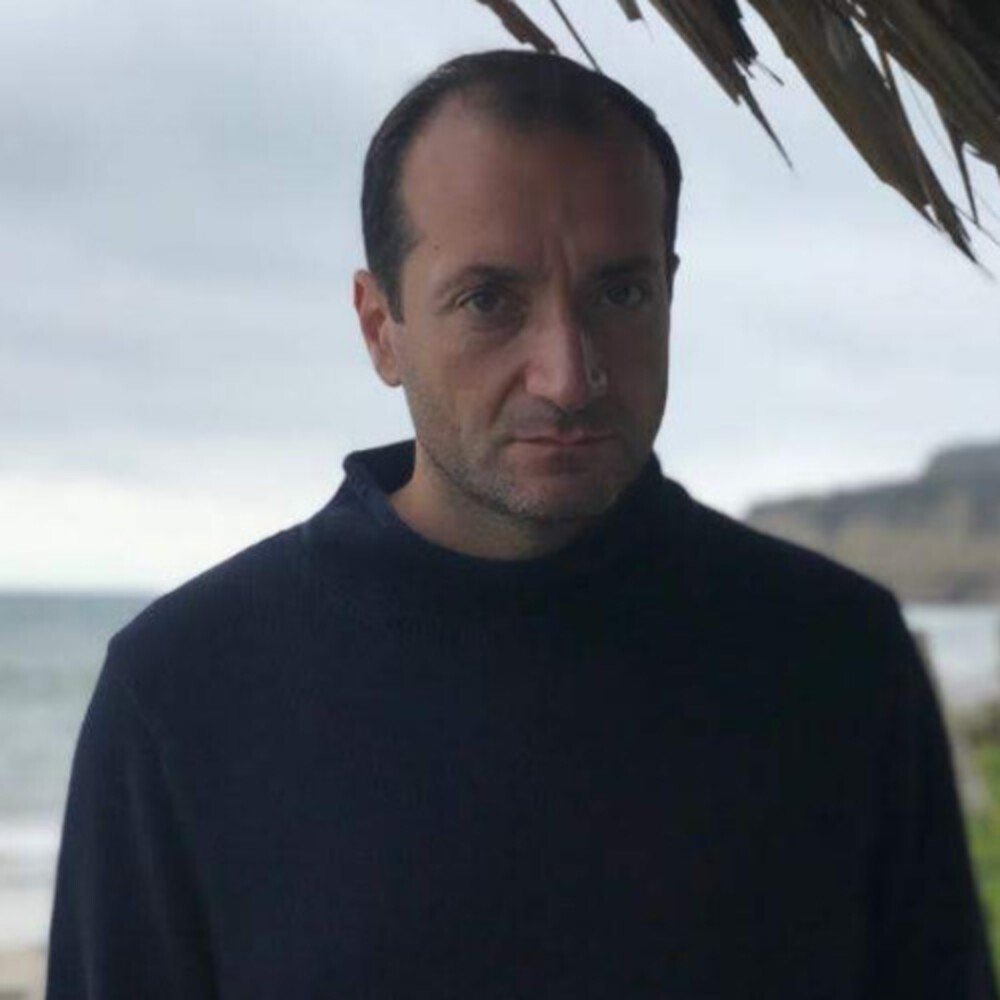
Murat Arsel is Professor of Political Economy of Sustainable Development at the International Institute of Social Studies, Erasmus University Rotterdam. He is also Adjunct Professor of Human Geography at Universidad San Francisco de Quito in Ecuador. His research focuses on the tensions between capitalism and nature, paying particular attention to environmental conflicts over extractive industries and climate mitigation initiatives. He has conducted extensive field research in the Ecuadorian Amazon, rural Turkey and Jakarta, Indonesia.
Peter Bori (5 mins)
Title: An authoritarian ‘environmentalism’: power concentration and delegitimization in the Green Transition under Hungary’s Orbán regime
I present a case-based analysis of how Viktor Orbán’s Fidesz government used its autocratic governing capabilities to dismantle environmental oversight, which paved the way for controversial and ecologically damaging green industrial developments, including battery factories and large scale solar parks. It then outlines how the government used its discursive power to construct its own self-proclaimed ‘rational’ environmental narrative, which it used to delegitimise opposition to such projects. The case is used to formulate how authoritarian logic results in Green Transition projects shaping further power concentration, dispossession and ecological destruction – all under the banner of sustainability.
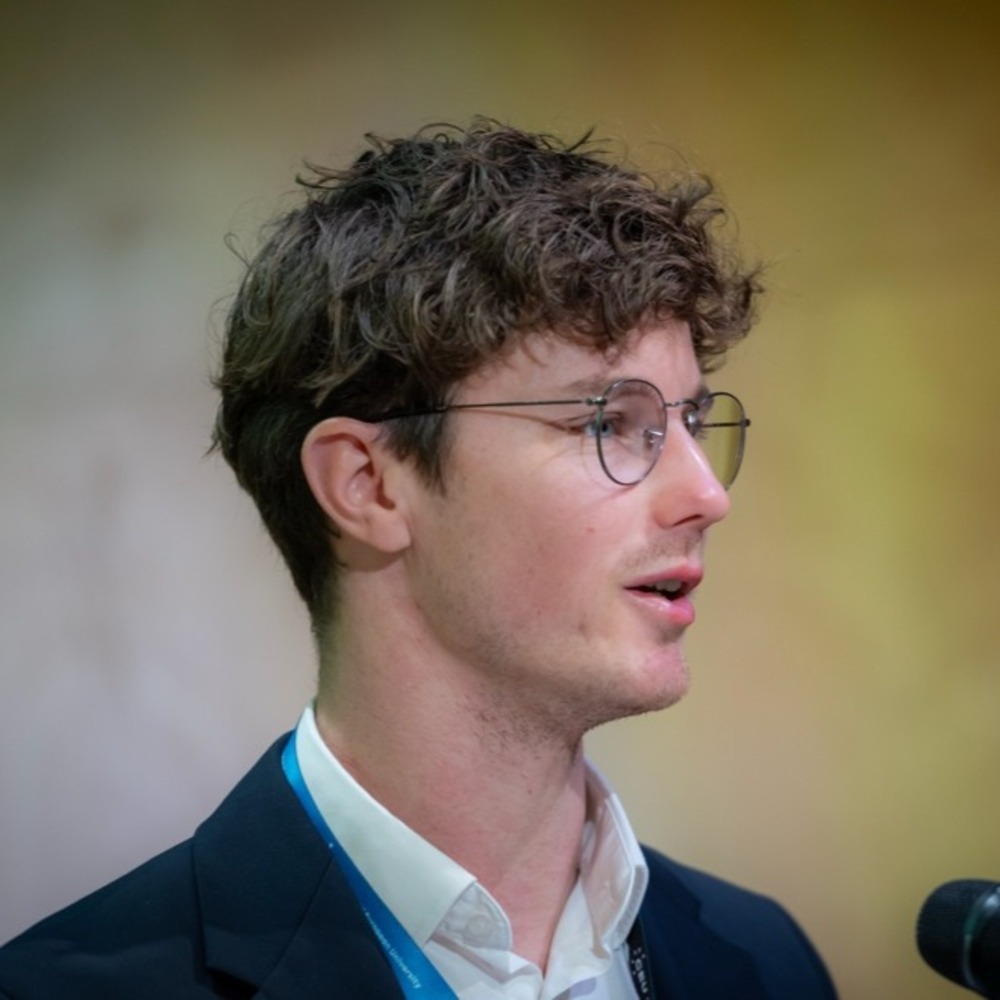
Peter J. Bori is a PhD candidate at the Department of Environmental Sciences and Policy of the Central European University, working on environmental politics within authoritarian illiberal political contexts. He is a Europaeum Scholar and has also conducted research on energy justice in Hungary within a project funded by the Swedish Research Council on sustainable development.
Emiliano Teran Mantovani (5 mins)
Title: New Authoritarianism in Latin America and the Carribean
Although authoritarian trends and governments in Latin America and the Caribbean are not new, we are witnessing a regressive period in the region that could be traced back to 2015. A new phase of authoritarianism has emerged, much more aggressive against democratic systems and social and environmental rights. While it bears a strong mark of the right and far right movements, this is not exclusive to them, as we see in the cases of Venezuela and Nicaragua. I focus especially on the close links and feedback relations that are happening between this most recent wave of authoritarianism and extractivism, and how the latter is reshaped by the first. I emphasize on the Venezuelan case, aiming to highlight the differentiated and shared patterns among other countries. The strengthening of colonization processes toward ‘new commodity frontiers’; the promotion of higher levels of ‘lootability’; and the links between state corruption, impunity and organized crime, are also stressed. Furthermore, I explore the Amazonian indigenous resistances in these complex contexts, which are mainly guided by survival strategies that can be contradictory but are also deeply political.

Emiliano Teran Mantovani Sociologist and researcher at the Central University of Venezuela. Master’s degree in Ecological Economics and PhD in Environmental Science and Technology from the Autonomous University of Barcelona. His work has been focused on extractivism and environmental conflicts in Latin America, with an emphasis on the Venezuelan case, Petro-states and rentier economies, and illegal and criminal mining. Founding member of the Venezuelan Political Ecology Observatory. Regional coordinator of the Oilwatch Latin America Network. He also participates in the Permanent Working Group on Alternatives to Development organized by the Rosa Luxemburg Foundation, in the CLACSO Working Group on Political Ecology, collaborates with the Scientific Panel for the Amazon (SPA), and has contributed to the EjAtlas – Environmental Justice project with Joan Martínez Alier.
Thabit Jacob (5 mins)
Title: Title: Authoritarianism trend and continuities in Tanzania
In light of the recent deadly post-election crackdown in Tanzania that killed thousands in 2025, my intervention in this panel will focus on recent trends in authoritarian tendencies, autocracy and democratic backsliding. President Samia Suluhu took power in 2021 after the death of her predecessor, the authoritarian populist John Magufuli. Suluhu promised to usher in a new era of reforms after years of autocracy, and she initially inspired widespread optimism both domestically and internationally, but the country reverted to authoritarianism and widespread repression. I argue that the October 2025 massacre which has been called Tanzania’s Tiananmen Square moment represents a case of authoritarian continuities and slow autocratization which created resentment that remained largely silenced but culminated with the deadly protests last year. What makes the recent wave of authoritarianism different this time it is the fact that it catalyzed mass action and inspired young Tanzanians to protest repression and democratic backsliding in the face of extreme state violence and brutal crackdown. I also argue that under the current wave authoritarianism, public intellectualism in Tanzania hasn’t lived up to its promises with scholars both young and old facing various structural constrained within public universities.

Thabit Jacob is a Tanzanian scholar-activist currently based at The Brew-Hammond Energy Centre at the Kwame Nkrumah University of Science and Technology in Ghana. He has published widely on various aspects of Tanzania’s political economy and has over 13 years of working experience spreading across research, lecturing, activism, advocacy and campaigning both within and beyond academia in Tanzania, Denmark, Sweden and most recently Ghana. He studies political economy of development, examining questions of power, politics, and influence focusing on how African countries pursue development in the context of resource boom. His research is at the intersection of extractive industries’ governance and global political economy of energy and sustainability transitions. Where he explores various themes such as state capacity, resource nationalism, and state-owned enterprises, among others. Most of his research has been in Tanzania and very recently Ghana. Thabit holds a PhD in International Political Economy from Roskilde University, Denmark. He is also a regular political commentator; his commentaries have been featured in media outlets, including BBC, Aljazeera, The Economist, Bloomberg, CGTN, NPR, and Deutsche Welle, among others.
Seeing Authoritarian Capitalism Differently: Tuesday 30 June, 16:00 – 18:00 at Hotel Exe Campus, Universitat Autònoma de Barcelona
Sara Mingorria Martinez (15 mins)
Title: When territories persist: infrastructures, resistance and collective futures
In September 2021, around 90,000 people mobilised in Barcelona against the expansion of El Prat airport, in one of the largest protests in Spain after the COVID-19 pandemic. The protest took place just days after the Spanish government had already announced the temporary suspension of the project. Since then, Zeroport — a platform advocating for the degrowth of the airport and port in Barcelona — has become a key reference point for social and environmental justice mobilisations in Catalonia, Spain and international networks such as Stay Grounded. This presentation explores how and why resistance persists beyond an initial victory, focusing on the role of territorial memory and the movement’s capacity to reframe airport expansion from a local infrastructure conflict into a broader struggle connected to touristification, the housing crisis, and wider questions of social and environmental justices. In doing so, the airport becomes understood not simply as a transport infrastructure, but as a symbol of a broader top-down and growth-oriented economic and social model.
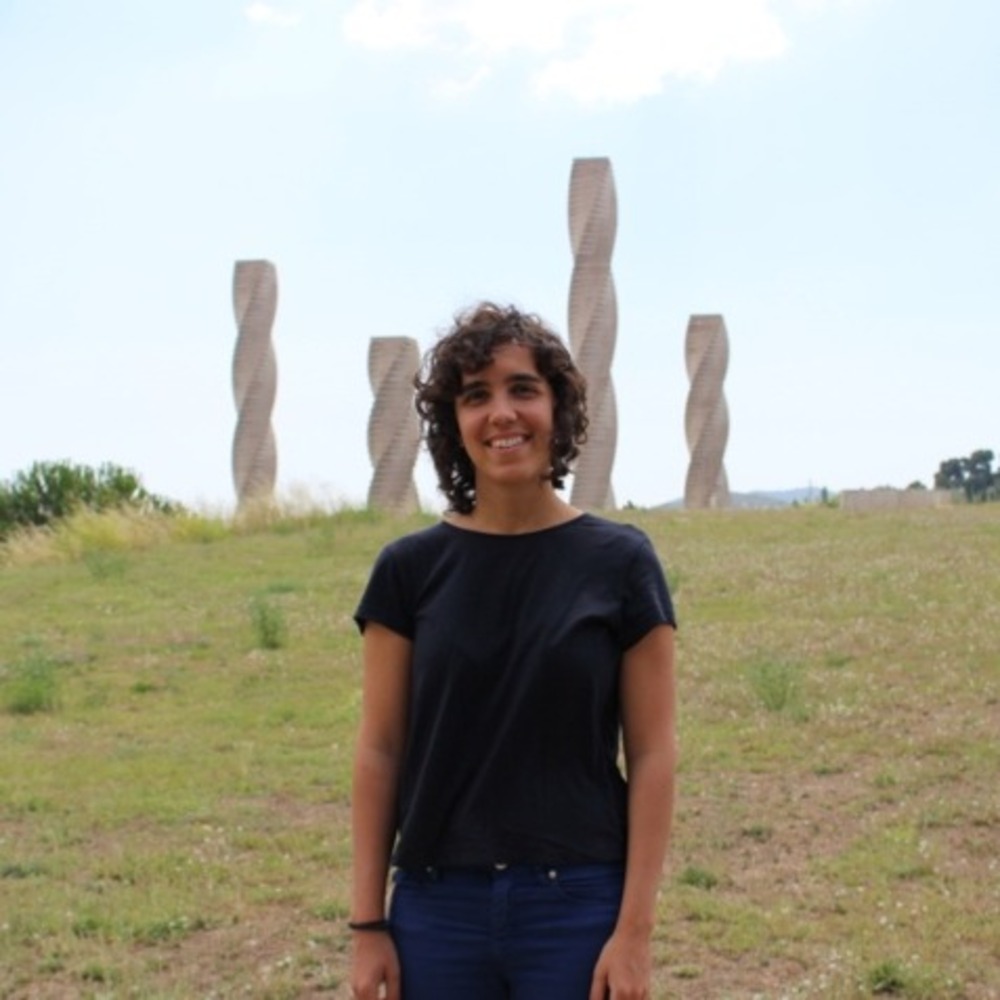
Sara Mingorría Martinez is a scholar-activist with a PhD in Environmental Sciences from the Institute of Environmental Science and Technology at the Universitat Autònoma de Barcelona (ICTA-UAB). Her research examines power relations and political dynamics shaping access to and control over natural resources from an intersectional and transdisciplinary perspective. She focuses on how gender, class and ethnicity shape socio-ecological transformations and everyday experiences of inequality and collective resistance. She has conducted long-term collaborative research with local communities and social movements across Latin America, Asia and Europe. She contributed to the co-development of the Environmental Justice Atlas (EJAtlas), a global citizen-science platform documenting socio-environmental conflicts worldwide through comparative and in-depth case study analysis. She received the LASA/Oxfam America Martin Diskin Dissertation Award for her research on oil palm conflicts and collective resistance in Guatemala. Her current work focuses on aviation degrowth and territorial resistance to airport expansion. She is co-founder of collectives such as the feminist research collective FRACTAL. Her work also connects action research, art and education through participatory and creative methodologies. She is an independent consultant and a visiting researcher in the Department of Sociology at the Universitat Autònoma de Barcelona (UAB).
Camila del Mármol (5 mins)
Title: Emancipatory politics and radical imagination in the Catalan Pyrenees
I discuss how the “left-behind places” debate associates the idea of peripheral and underdeveloped territories with the spread of right-wing politics, but I identify a different direction. I examine the unfolding of an array of initiatives that plant the seed for novel ideological pathways to imagine alternative futures, arising from the Indignados anti-austerity movement born in 2011. I further analyze the changing conditions for the emergence of an emancipatory political subject in this European periphery, concretely a contesting social movement opposing a government proposal to hold the Winter Olympics. A wider array of actors came together to confront what was identified as an extractive model of economic production based on tourism, instead proposing heterodox paths for development. I discussed the transformative potential and the limits of these variegated initiatives, as well as the degree to which they were capable of opposing the hegemonic development models in the region.
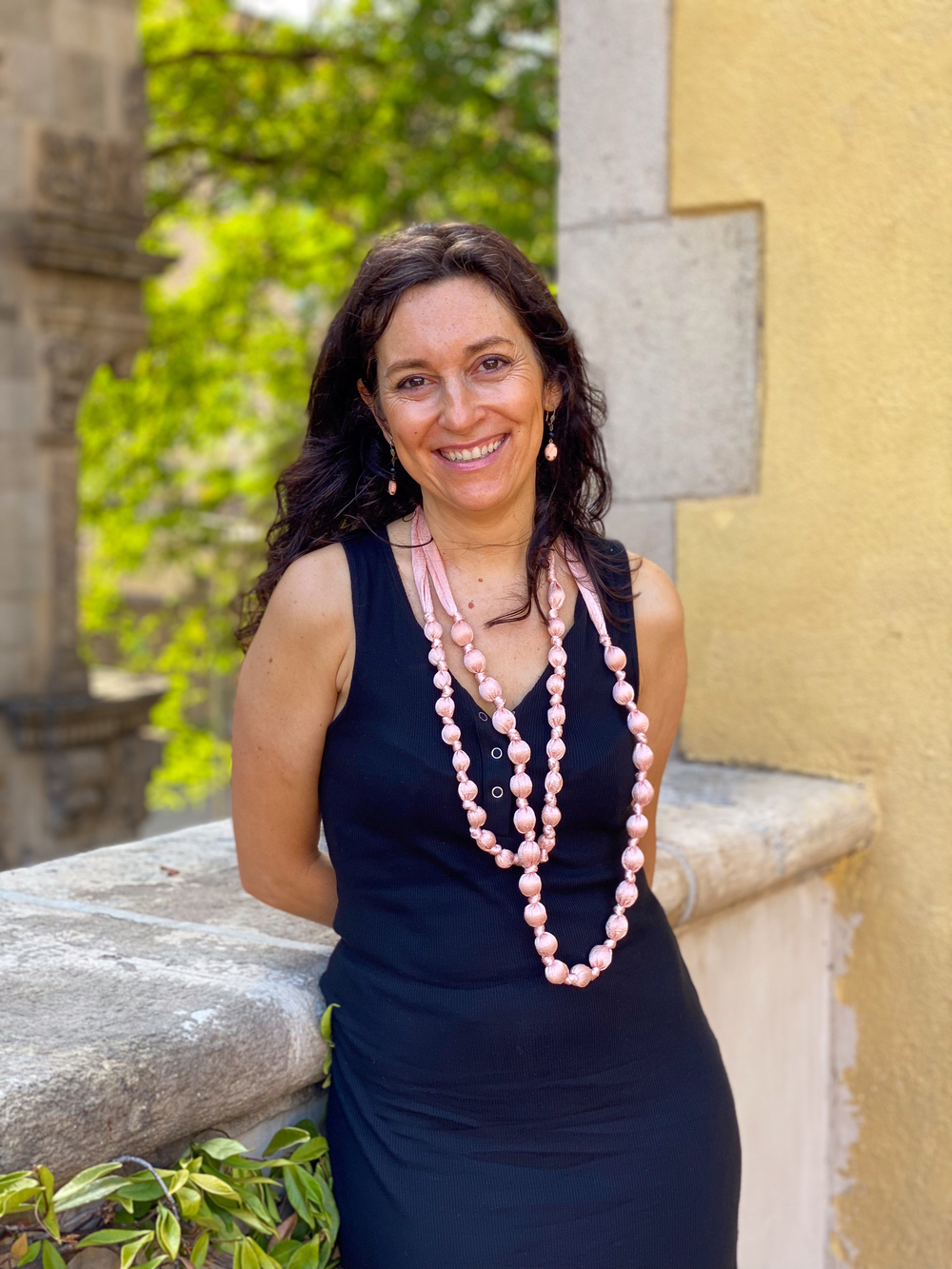
Camilla del Mármol is Professor of Social Anthropology at the University of Barcelona. Her research engages with rural change in mountainous regions, with a particular focus on marginalization and depopulation across Europe’s peripheral areas. She has conducted ethnographic research in the Catalan Pyrenees, exploring how heritage processes intersect with shifting ruralities. More recently, her work has turned to social movements, the social and solidarity economy, and the new commons as forms of resistance that give rise to new political subjects in peripheral rural areas. She has also examined intangible and food heritage in Catalonia and Buenos Aires, as well as agro-ecological networks in indigenous contexts in the Ecuadorian Andes. Her current research investigates local knowledge and fire-related practices, and how these interact with state-led extinction and prevention frameworks in the context of socio-environmental crises. She has worked closely with social movements in the Pyrenees and has taken part in legislative and political processes in recent years.
Lydia Gibson (5 mins)
Title: Reverberation
Gramsci’s description of authoritarianism is akin to that of a dying star’s supernova: the implosion of an unscrupulous ruling class that expands and engulfs before its collapse, scattering material and political implications like heavy metals out to orbiting classes in ways that strip them of hegemonic power. This “crisis of authority” comes precisely, Gramsci argues, from ‘the fact that the old is dying and the new cannot be born’. This grand and luxurious death – that incidentally arranges the cosmos and binds us in shared suffering – is one that is unfamiliar to many whose unending abrasions never shone down from a single, immiserating sun. The last few years has been characterised not just by rising authoritarianism, but also by repeated calls to join critical masses of resistance to bring specific injustices to the world’s attention. Quiet, everyday commitments to enduring and surviving are worthy of unwavering attention during periods of authoritarianism. The dignity, safety, and life-promoting conditions of and around these communities remain as important as those now visible on the world’s stage. Also, unevenness of visibility, obscurity of sacrifices, and the positions often caught in geopolitical crossfire all tell us something about the totality of waves radiating across the cosmos. These remarks focus on reverberation; not echoes that singularly reflect authoritarian waves, but, rather, an attempt to apprehend the diffused, superimposed, complex blend of authoritarian reflections that remote and removed spaces afford us.

Lydia Gibson is Assistant Professor in the Department of Anthropology at Georgetown University, with additional affiliations at Georgetown Earth Commons and Columbia Anthropology. As a geographer and anthropologist, her research and her lab centres around how environmental data, knowledge, and the relations that produce both operate across and are withheld from local, community, and (in particular) remote and enclaved spaces in the Caribbean. Her research explores the logics embedded in GIS and other systems, how they shape and differentiate access and power in environmental spaces, and how they determine how environments are experienced.
Asmita Kabra (5 mins)
Title: Counter-hegemonic responses to authoritarian conservation in postcolonial India.
The project of fortress conservation in postcolonial India has historically been authoritarian, championed by a forest bureaucracy invested in violent separation of people from nature, imposition of elite environmental subjectivities, and devaluation of local ways of relating with more-than-human worlds/ cosmologies. Authoritarian conservation regimes require continuous physical, legal, and discursive work from above – for upholding their ideological legitimacy, and for making and implementing concomitant policies that attempt to restrict people’s access to biodiverse landscapes. Despite this, the fortress is constantly challenged and frequently breached from below. My long-term engagement with conservation landscapes as a pracademic reveals a complex web of local responses from human-nonhuman assemblages which (re)make these landscapes in unexpected ways, and produce the limits of authoritarian conservation. I will draw on my experience in forest-fringe villages in rural central India to explore how people and nature cope with and/or challenge fortress conservation through unlikely alliances and contingent claim-making. I will highlight the everyday politics of counter-territorialization by local communities, and discuss the moral tropes and beliefs on which counter-hegemonic imaginations and realities of forest-fringe lives are built.
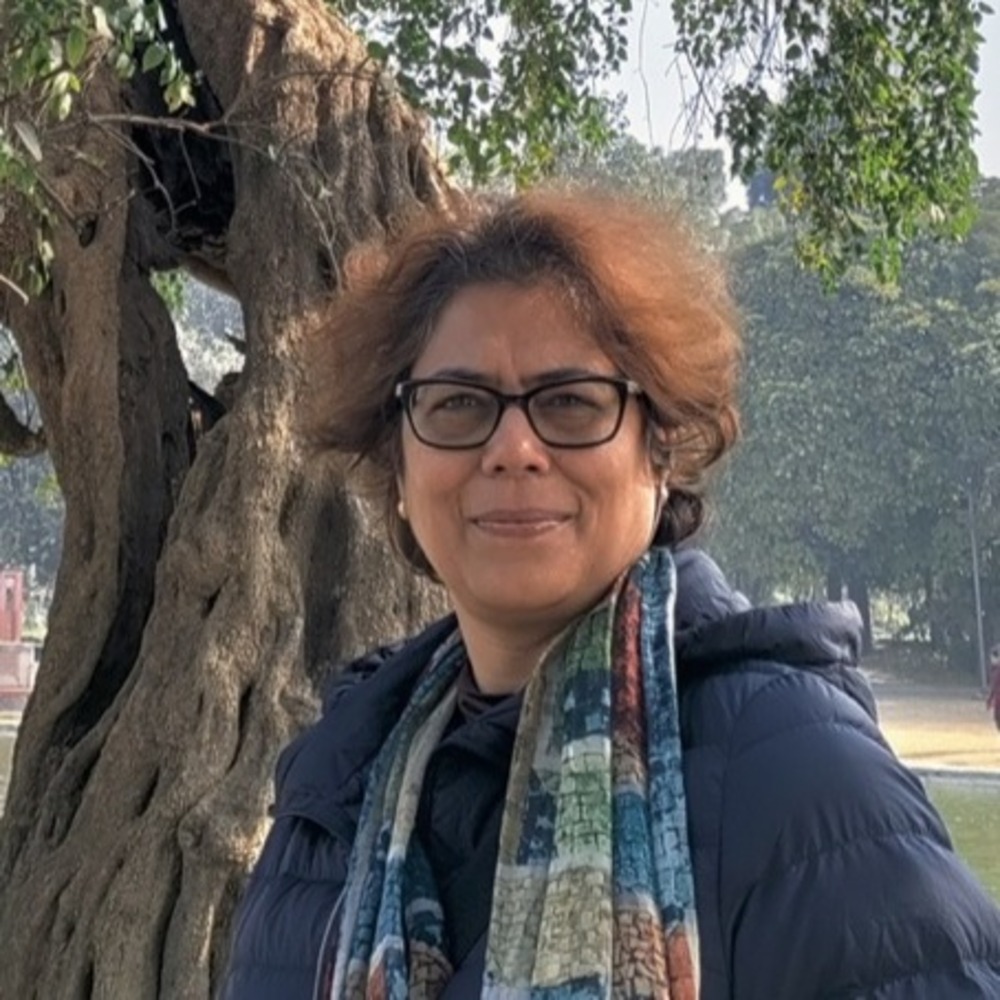
Asmita Kabra is a teacher, researcher and development practitioner with thirty years of experience in India’s public universities and civil society. She was trained in economics, and works in the interdisciplinary domains of biodiversity conservation, land governance, rural development and just transition. She has published in reputed international journals like Oxford Development Studies, Biological Conservation, Development & Change, Political Geography, and the Journal of Contemporary Asia. She was part of the founding team of the School of Human Ecology at Dr. B.R. Ambedkar University Delhi – one of the first in India to successfully bridge the social science and natural science divide. At present Asmita is a Visiting Professor of Environmental Studies at Ashoka University in India. Asmita has 27 years of experience in community-based development practice in semi-arid forest-fringe landscapes of central India. She established and continues to lead two well-regarded NGOs that work with forest-dependent rural communities of Madhya Pradesh in school education, sustainable livelihoods, and local ecological knowledge. She lives in Delhi and is building a home in village Agara, Madhya Pradesh, where she hopes to spend more time with the humans and nonhumans that made her a political ecologist.
Martin Hultman (5 mins)
Title: Ecological masculinities as exit politics.
Toxic-, petro- and industrial/breadwinner masculinities are all widespread critical political ecology concepts highlighting the configuration of bodies and patriarchy with misogyny, racist and climate denial standpoints. How can critical and engaged research help us exit from such destructive path? This short intervention suggests ecological masculinities praxes can be made attractive, nurtured, collective and transformative enough – without being co-opted by authoritarianism.
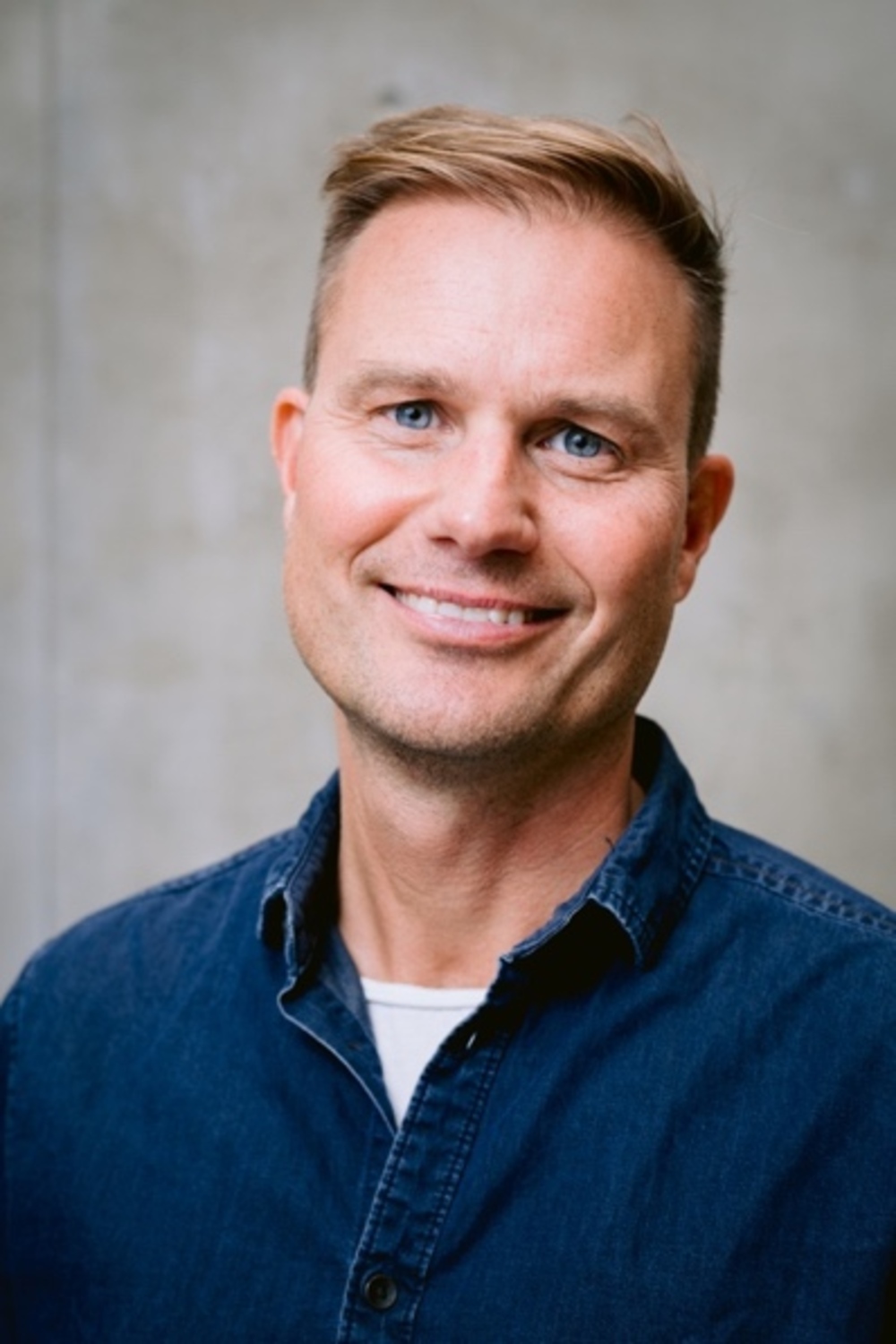
Martin Hultman is professor of sociology with a specialization in science, technology & society (STS), University of Gothenburg, Sweden. For the past twenty years, he has researched, taught and participated in the societal dialogue primarily in four areas: energy, climate, environmental legislation and economics. His interdisciplinary contemporary & historical research deals with human existence on earth together with other species. The research asks questions such as: How can we shape just and caring societies within the planetary boundaries of the earth? Hultman is currently leading research programs on Rights of Nature and Climate Obstruction. As public intellectual he gives lectures, organizes workshops, writes columns and informs authorities. Hultman’s publications range from extensive interdisciplinary collaborative book projects to individual articles; from theoretically innovative articles, textbooks in STS and posthumanism to popular science books, translated into six different languages, for example Portugese. Among Hultman’s most recent publications we find the co-authored books: Feminist Climate Policy in Industrialised States: A Gender-Just Climate Emergency Response(2025); Climate Obstruction. How Denial, Delay and Inaction are Heating the Planet (2022); Men, Masculinities, and Earth Contending with the (m)Anthropocene (2021); Ecological Masculinities (2018).
Reflecting on POLLEN2026: Thursday 2 July, 19:00 – 20:00 at Museu Maritim de Barcelona
On Thursday early evening, in the Maritime Museum we will invite, four commentators to offer short reflections on what they have experienced, learnt and been challenged by during POLLEN 2026. The session will be chaired by Rosaleen Duffy, and our speakers are Elia Apostolopoulou, Christos Zografos, Farhana Sultana and Felipe Milanez. Their bios follow.
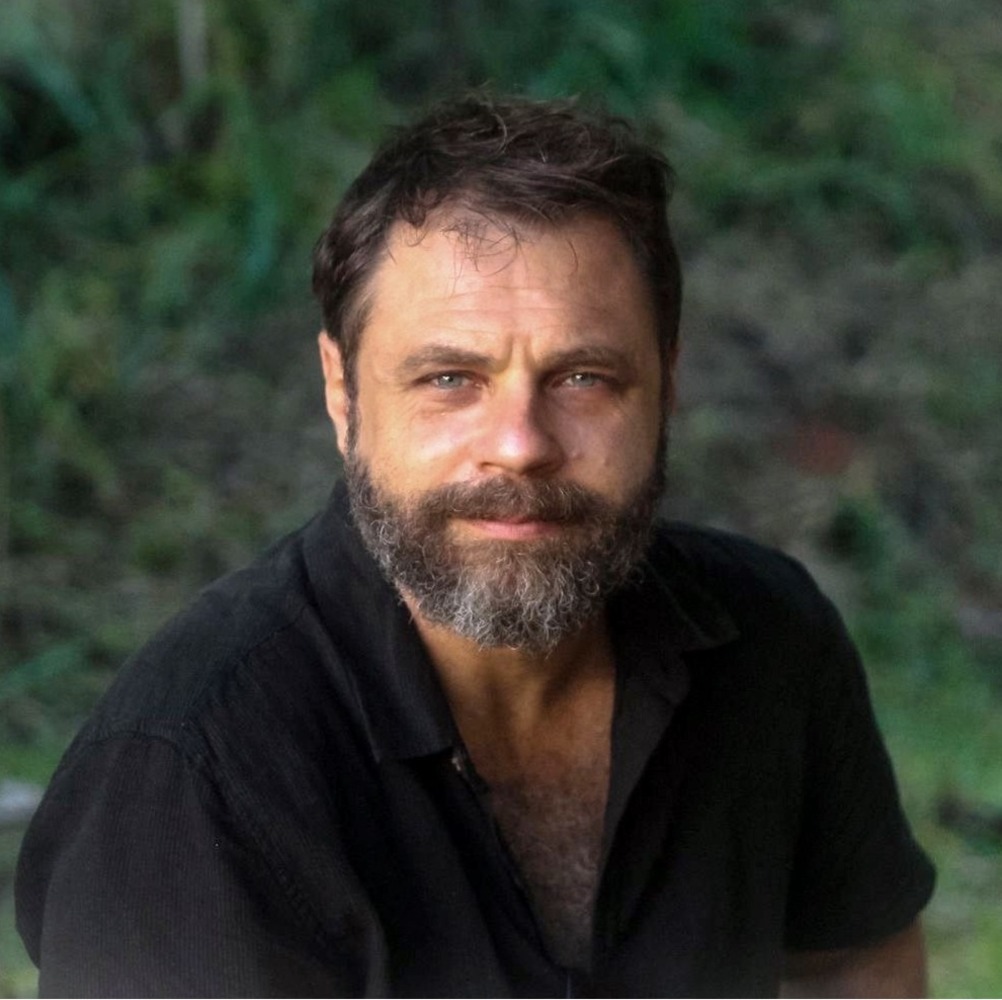
Felipe Milanez is Professor of Humanities and the Graduate Program in Economics at the Federal University of Bahia. He holds a PhD from the Center for Social Studies, of the University of Coimbra, as part of the European Network of Political Ecology (ENTITLE). His recent work focuses on the recognition of traditional knowledge and collaborations with Indigenous and quilombola masters. He is currently part of the coordinating committee of the Research Group on Political Ecologies from Abya Yala of the Latin American Council of Social Sciences (CLACSO).

Christos Zografos is Associate Professor at the Department of Political and Social Sciences of Universitat Pompeu Fabra in Barcelona, Spain. He sits at the Advisory Board of the Johns Hopkins University – Universitat Pompeu Fabra (JHU-UPF) Public Policy Center, and is the Vice-Director of the Research Group on Health Inequalities, Environment, and Employment Conditions (GREDS). His research in political ecology looks at the politics and conflicts around implementing low carbon and climate adapted futures in a warming world; the challenges of democratising public decision-making for responding to the climate crisis; attitudes and social narratives concerning socio-ecological transformations (such as degrowth, just transitions, food sovereignty, climate change adaptation) and means to pursue them (e.g. green taxation, non-meat-eating diets). As Principal Investigator, he recently completed the Green Sacrifice in Spain (GRES) research project funded by the Spanish Research Agency and EU’s NextGeneration funds. Christos has published widely in the fields of environmental studies, geography, sociology and political science, planning and development, urban studies, history and philosophy of science, and has been the main editor of an OUP book on ‘Deliberative Ecological Economics’.

Elia Apostolopoulou is an Associate Professor at Imperial College London working across political ecology and urban geography. Her research examines the social, spatial and environmental injustices of urban infrastructural expansion and the role of grassroots activism in contesting them and opening pathways toward radically different futures. She is also a Senior Associate at the University of Cambridge and an editor at Dialogues in Human Geography.
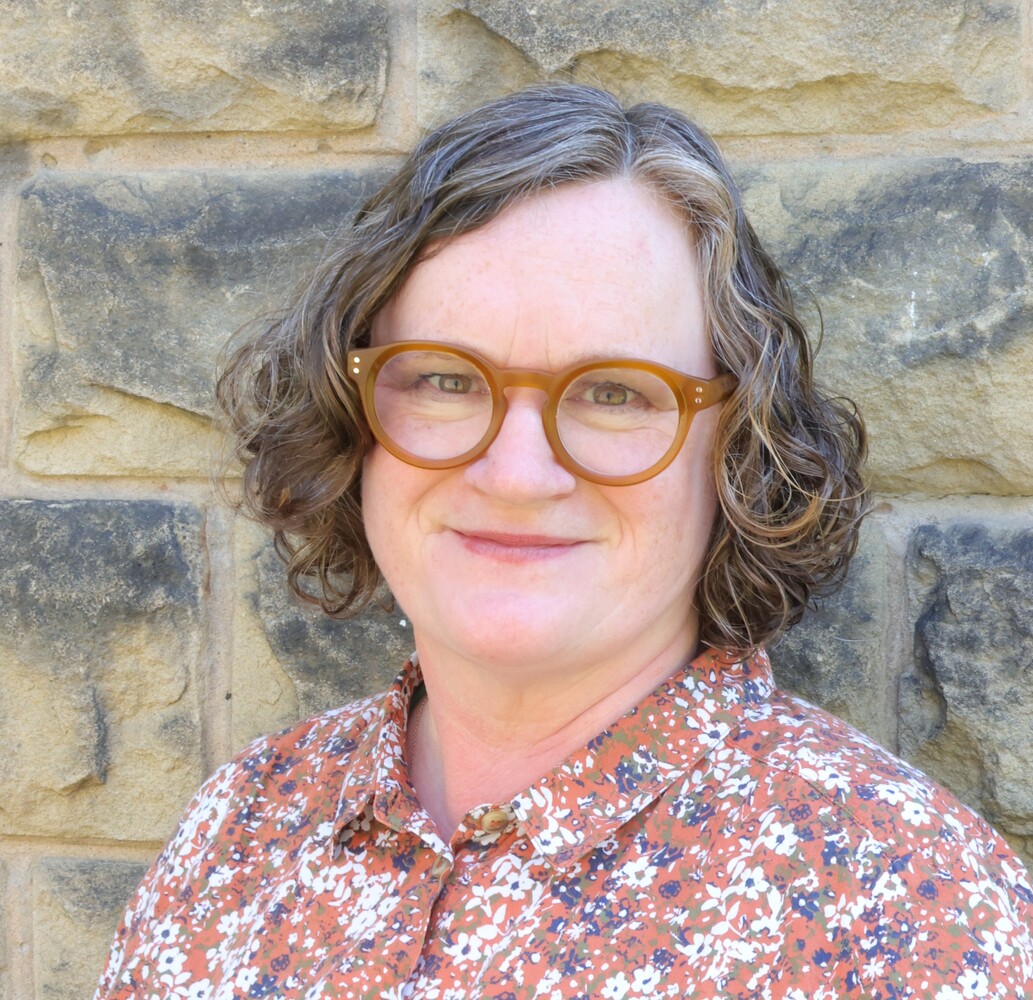
Rosaleen Duffy is professor of international politics at the University of Sheffield. She is a political ecologist whose research focuses on the global politics of biodiversity conservation, especially global environmental governance, wildlife trafficking, poaching, transfrontier conservation and tourism. She has led several large funded research projects, including European Research Council Advanced Investigator Award for BIOSEC – Biodiversity and Security: Understanding environmental crime, illegal wildlife trade and threat finance (2016-2020), and the ESRC funded Beastly Business project (2021-2023), which examined green crime, political ecology and illegal wildlife trade in European species. She is currently the PI of the Multispecies Mutualisms project, funded by a Wellcome Trust Discovery Award 2025-2030 and will be focusing on human-animal relations in bird conservation in the UK.
Farhana Sultana is Professor of Geography and the Environment at Syracuse University’s Maxwell School of Citizenship and Public Affairs and Research Director (Environment) in the Program for the Advancement of Research on Conflict and Collaboration. Farhana is an internationally recognized interdisciplinary scholar of climate justice, water governance, political ecology, development geography, and decolonizing knowledge. Author of over 100 publications, her books include Confronting Climate Coloniality (2025), Water Politics (2020), and The Right to Water (2012). She holds a degree in Geosciences and Environmental Studies from Princeton University and a PhD in Geography from the University of Minnesota, where she was a MacArthur Fellow. Prior to academia, she managed a $26 million environmental program for the United Nations Development Programme (UNDP) in Bangladesh. She is a Visiting Faculty Fellow at International Centre for Climate Change and Development (ICCCAD) in Bangladesh.