Sol Mora – Political ecology of Chinese infrastructure, land control and food systems in Argentina
.
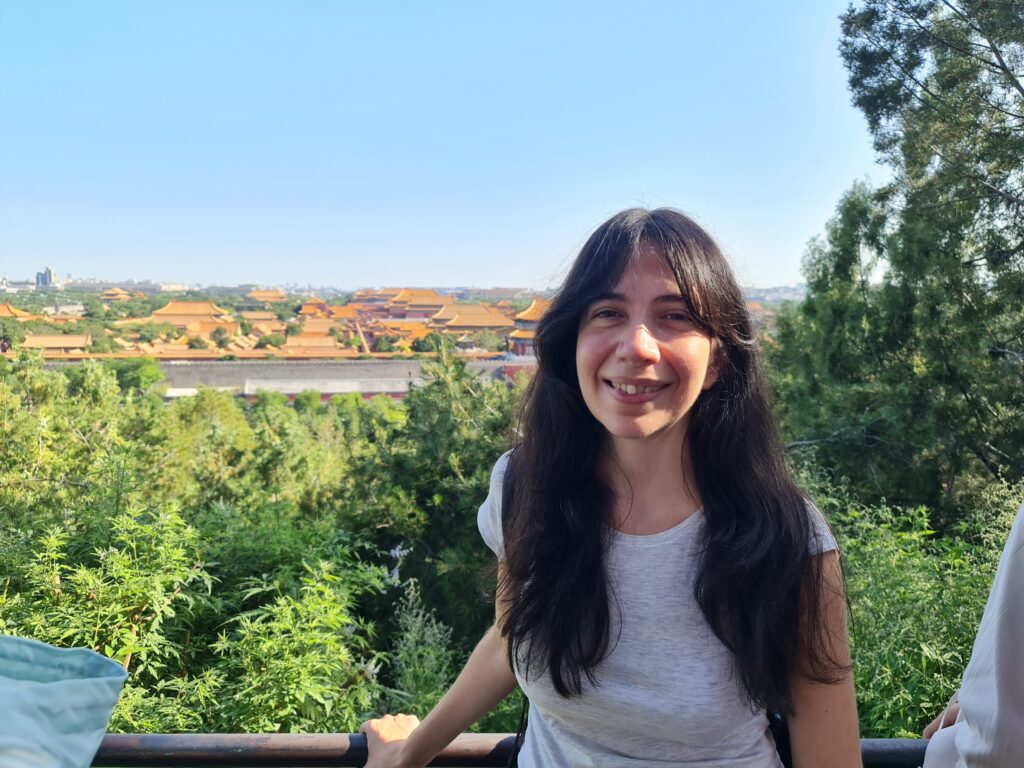
I’m a researcher and lecturer at the School of Politics and Government at the National University of San Martín (UNSAM), Argentina. Although my academic background is in International Relations, the impact that the expansion of extractivism in Latin America and other countries of the Global South had on me, together with the strength of socio-environmental struggles in defence of water, land, and nature, led me to Political Ecology. There, I found fundamental tools to better understand these processes and to think about alternatives.
In my doctoral research, I examined the links between Chinese infrastructure projects in Argentina and land grabbing. I was particularly interested in showing how the possibilities for land control by Chinese investors were shaped and constrained by power relations and conflicts among actors operating across multiple scales, which are intrinsic to land governance. This research opened new lines of inquiry into socio-environmental conflicts and resistance surrounding Chinese infrastructure projects, their implications for the implementation of these initiatives, as well as China’s different agricultural and food investment strategies abroad and their socio-environmental effects.
I am currently expanding this research agenda towards the study of China’s role in the global food system through the Argentine case. My analysis focuses on how emblematic projects contribute to reconfiguring the power relations that shape decisions and practices from food production to consumption, as well as the socio-environmental and food-related implications of these processes. I am also part of the project The Visual Politics of Sustainability Transitions at the International Studies Area of UNSAM, where I study the visual dimension of China’s environmental policies.
My work aligns with POLLEN’s mission because it seeks not only to make visible and understand the power relations that drive current processes of dispossession and the exploitation of nature, but also to think about more just alternatives. To this end, I believe it is essential to broaden dialogue among academics, activists, and different disciplines. In this sense, I have sought to bring International Political Economy and Political Ecology into dialogue in order to analyze specific socio-environmental conflicts and projects within broader global dynamics.